
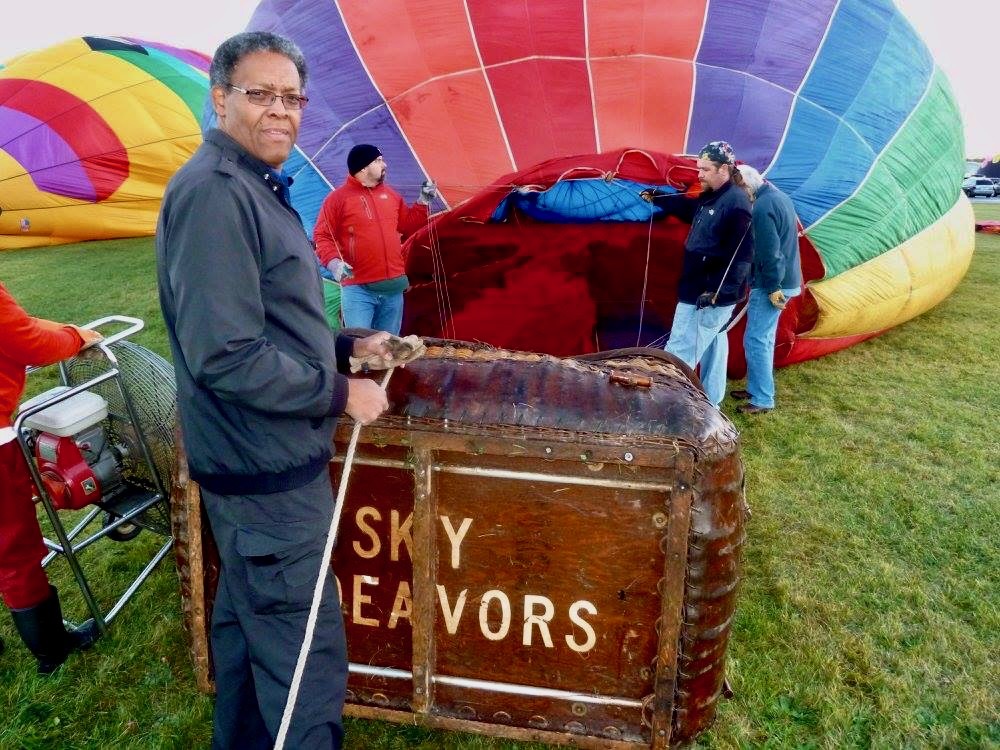
From commercial ballooning and cross-country racing circuits to the Ed Yost Master Pilot Award and a basket now displayed at the Smithsonian, Bill Costen looks back on a ballooning career that began in 1975.
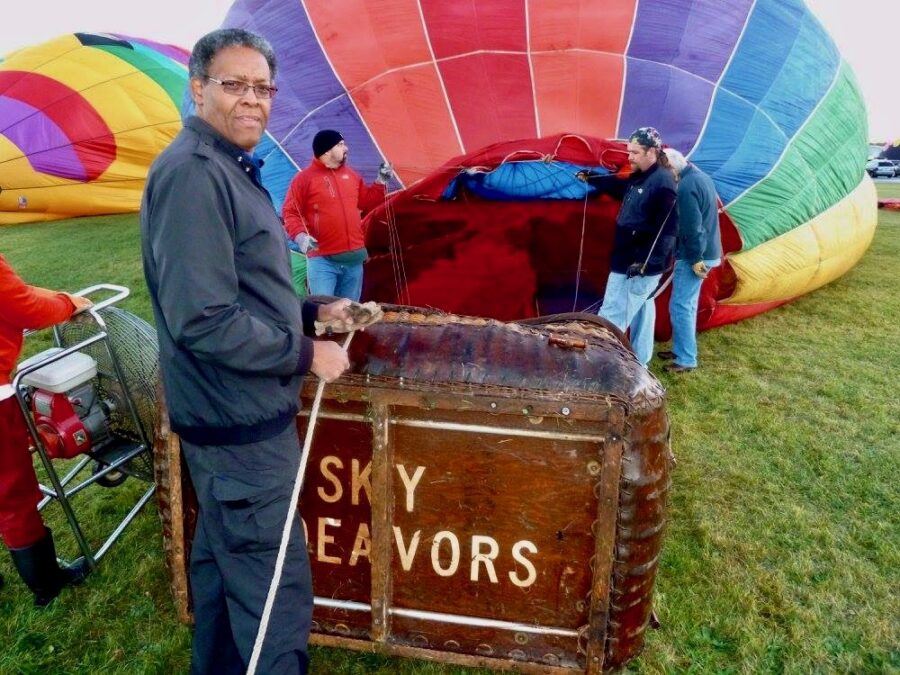
William H. “Bill” Costen became the first African American commercial hot-air balloon pilot in the United States and spent more than four decades flying, instructing, racing and introducing thousands of people to ballooning through his company, Sky Endeavors.
In a conversation with Sitara Maruf of LTA – Science & Flight Magazine, Costen reflects on the early days of modern hot-air ballooning, the pioneers he knew, the challenges and safety lessons of a long flying career, and the Smithsonian recognition that now preserves a part of his ballooning history.
1 – An Unexpected Beginning
Sitara Maruf: How did you first become interested in hot-air ballooning?
Bill Costen: I was watching TV one Sunday afternoon when the doorbell rang, and my cousin and his boss came in and said, “Let’s start a balloon club.”
I said, “What’s a balloon?” because I had never seen a balloon—ever. They showed me a brochure with the Budweiser balloon on the cover and explained how a balloon works. I immediately saw how a balloon could advertise a product.
After we talked that day, six of us met at a bank, took out a joint loan, purchased a Raven Rally balloon and started a club. After realizing that it was going to take a while for all of us to obtain our licenses, I started trying to figure out how to get a corporation to pay for a balloon.
This was the year before the 1976 U.S. Bicentennial, so I came up with the idea of having a State of Connecticut Bicentennial Balloon.
Sitara Maruf: What happened with the Connecticut Bicentennial Balloon, and how did that lead you into the commercial side of ballooning?
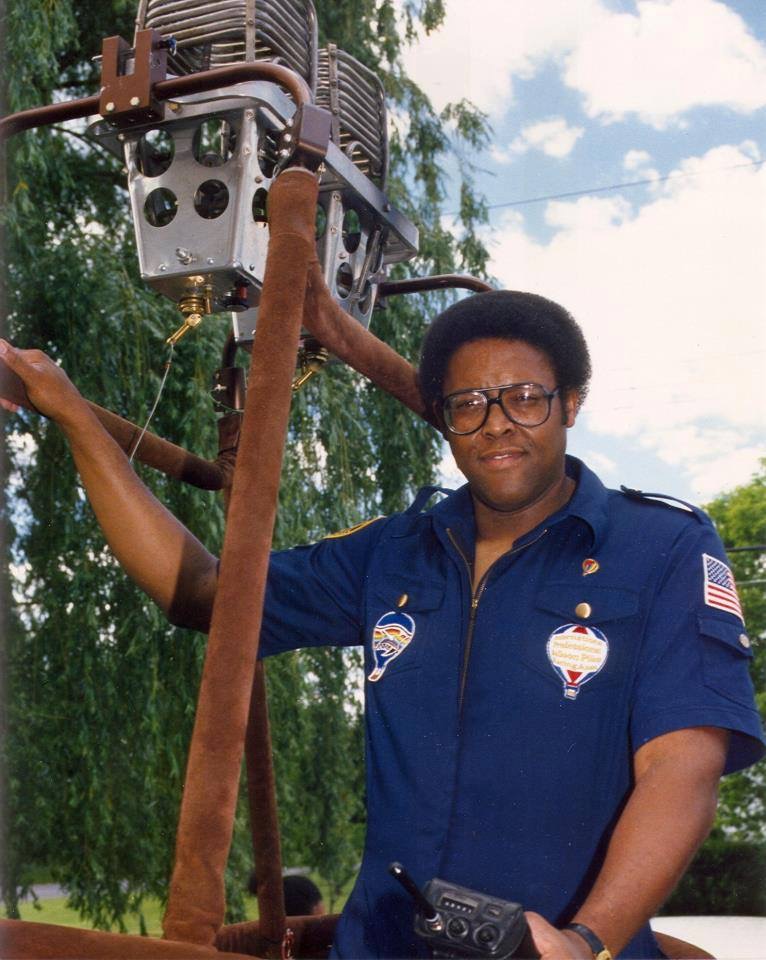
Bill Costen: I didn’t know anything about ballooning, so I called Raven Industries, Inc. and presented my idea for the State of Connecticut Bicentennial Balloon that I had designed. They told me to contact Bob Waligunda, who was the East Coast distributor.
I met with Bob, and he said that if I got my license, he would give me a Raven dealership for the State of Connecticut. I left the club, became a Raven dealer and talked one of the club members into going in with me to start Sky Endeavors.
After I designed the balloon, another club member and I met with the State of Connecticut Bicentennial Commission. About six months later, I saw the balloon I had designed on the front page of the newspaper, with the governor dedicating it. Unfortunately, without my knowledge, he had gone to another manufacturer and cut the deal for himself.
Eventually, after obtaining my commercial license, I started learning the commercial side of ballooning through Bob Waligunda and his Great American Balloon Pilots Racing Circuit, which traveled around the country utilizing corporate sponsorships.
2 – Sky Endeavors and Commercial Ballooning
Sitara Maruf: What did you do through Sky Endeavors?
Bill Costen: Through Sky Endeavors, I provided pilot training and gave passenger rides to the public. I specialized in corporate advertising by putting banners on my balloon and either tethering it or flying it at corporate events, hot-air balloon rallies, festivals and professional races.
I also organized and directed several balloon races for corporations.
My favorite was the 1986 “Great Heritage Balloon Race” in Somers, New York, where I invited 25 commercial pilots to come in for the weekend. We had a traditional hare-and-hound race with prize money of $1,500, $1,000 and $500.
Sitara Maruf: How many balloons and baskets did you own during your career?
Bill Costen: I owned six balloons and five baskets, and I was also the pilot of a corporate balloon.
3 – Racing, Challenges and Learning to Fly
Sitara Maruf: What did competitive ballooning contribute to your development as a pilot?
Bill Costen: I was the rookie among pioneering pilots like Ed Yost, Joe Kittinger and Ben Abruzzo.
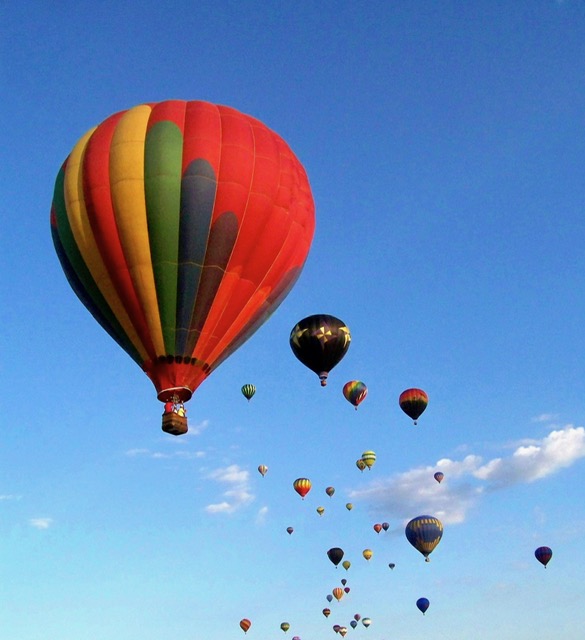
I was flying in challenging places—downtown Philadelphia, across the Chesapeake Bay, Atlanta, Las Vegas, Pittsburgh and New York. I flew all over the country, so I got my experience competing against famous pilots.
Bob Waligunda’s races were especially important. He was the race director and organizer, and I flew in many of his races. That’s where I got a lot of my early experience. Later, I was able to conduct my own races using what I had learned from him as a model.
One of the challenges I always had was my physical size. I was 6 feet 5 inches tall and weighed 285 pounds—roughly the weight of two smaller pilots—flying in a small Raven Rally AX-6, a 55,000-cubic-foot balloon with two 10-gallon propane tanks, when most of the other pilots had 40 gallons. We were always flying out of major cities like Philadelphia, Baltimore, and Atlanta, and I was always concerned about running out of fuel, like the time I ran out on the New Jersey Turnpike.
Sitara Maruf: In Balloon Man, you describe difficult situations involving fog, poor visibility and power lines. Can you take us through one flight that seriously tested your judgment?
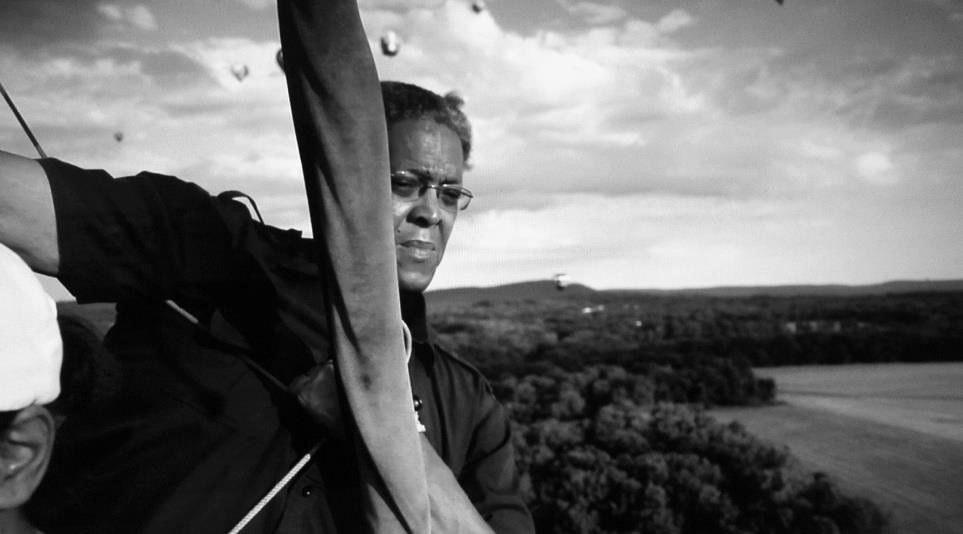
Bill Costen: Well, that fog flight would be one of them. This was at the Adirondack Balloon Festival in Queensbury, New York. I had flown in that valley for about 40 years and knew the area very well, including the location of the high-tension wires.
That day, after the balloons took off, the fog came in. I was one of the last to take off. The winds had changed slightly, and I was heading right toward the river and the Vermont mountains. I couldn’t see the ground at all.
My daughter Chantal, who was about seven, and my son Jarrell, who was about nine, were in the balloon with me, along with three other people. We were above the fog, maybe 1,300 feet in the air.
I knew I had to land because we were running low on gas and approaching a mountain. So I prayed and came down into the thick fog. As I got closer to the ground, I suddenly saw these huge high-tension wires. In fear, I immediately pulled both burners and shot right back up to about 1,500 feet.
Unfortunately, I knew I would have to come down through that fog again.
My son Jarrell was standing beside me, next to his sister. He said, “Dad, the Holy Spirit told me to tell you to follow the butterfly.”
I said, “What butterfly?”
He said, “That one.”
A butterfly was fluttering right between him and me. I said, “Wow…okay.” The butterfly started to descend into the fog, and I said, “Okay, Lord, I’ll follow the butterfly.”
I began to descend into the thick fog, hoping to miss the high-tension wires below. The butterfly led me down to the ground past the power lines. As I was thanking the Lord, the butterfly reappeared, fluttering between me and my son, and then flew away.
We both felt that we had just experienced a miracle.
Sitara Maruf: The documentary also shows preparations for a flight involving a descent of about 900 feet into a gorge. What special challenges does flying into a gorge create in terms of controlling the balloon?
Bill Costen: The “Red, White and Blue Balloon Rally” at Letchworth State Park in Castile, New York, has a huge gorge that some call the “Grand Canyon of the East.”
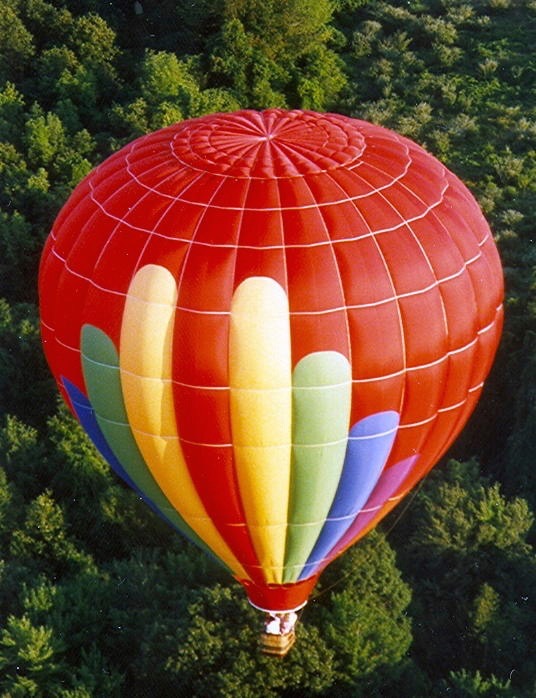
The balloons would take off from a field, immediately cross the road and drop about 900 feet into the gorge, then follow the flow of the river below. It was absolutely gorgeous flying down there.
If we lifted off from a nearby field, we would fly right over a waterfall, descend into the gorge and follow the river below. After a while, we would ascend into the sky and get a breathtaking view of the entire gorge.
4 – Forty Years of Safety
Sitara Maruf: In 2016, you received the Ed Yost Master Pilot Award after more than 40 years of balloon flying. What contributed to that long safety record?
Bill Costen: I was super safety-conscious. I watched pilots take off when I would say, “Nope, too windy. I’m not flying.”
A lot of passengers were unhappy, but I had to learn how to say, “No. Safety first.” I just didn’t fly in questionable conditions.
Sitara Maruf: What advice would you give balloon pilots about weather and safety?
Bill Costen: Number one: safety first at all times. Always check the weather forecast for your area. If you don’t feel comfortable with the weather conditions, don’t fly.
Don’t take chances with the weather. Try to know the territory you fly in. Know your own abilities and limitations. Learn how to say no. Be professional at all times, and be courteous to people.
Sitara Maruf: You started flying when modern hot-air ballooning was still relatively young. What technological improvement made the biggest difference to you?
Bill Costen: Radios and cell phones.
When I started, I didn’t even have a radio. If I landed and my crew didn’t find me, I would have to find a phone booth and call my mother-in-law to tell her where I was. Then the crew would call her to find out my location, and they would come and pick me up.
The ballooning equipment and weather forecasting have also improved drastically.
5 – A Basket Goes to the Smithsonian
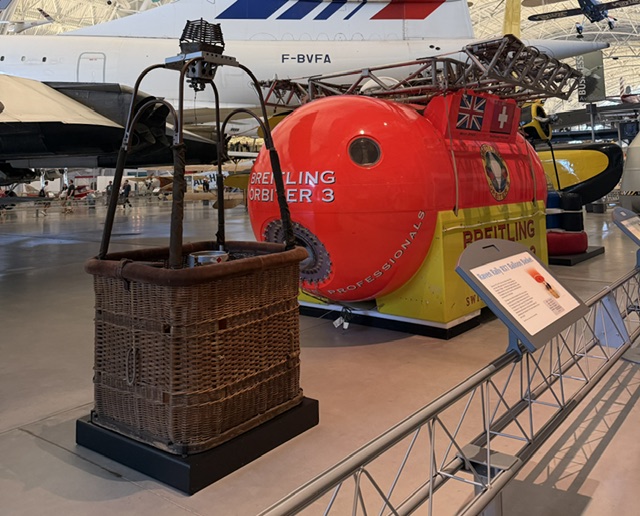
Sitara Maruf: One of your early baskets is now displayed at the Smithsonian National Air and Space Museum. What was significant about that particular basket?
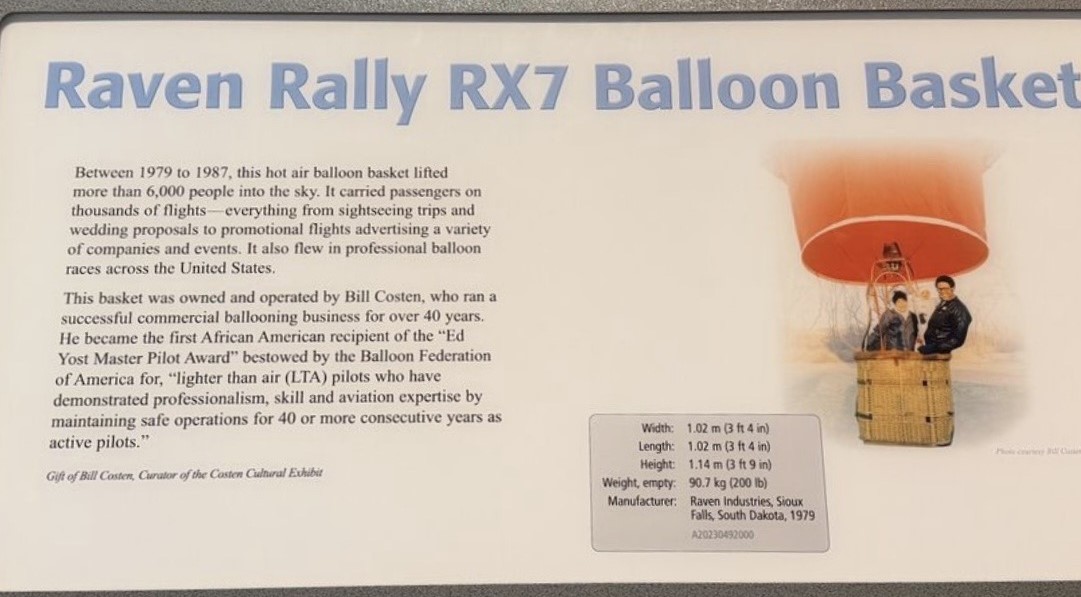
Bill Costen: The basket that’s in the Smithsonian National Air and Space Museum was my first wicker basket. It was part of my 40-year Master Pilot journey.
There’s also a photograph on the Smithsonian label showing that actual basket with my wife, Lynda, and me holding my son, Jarrell. This was his third flight; possibly the youngest African American baby to fly in a balloon for a short 50-yard flight.
Sitara Maruf: How did your connection with the Smithsonian begin?
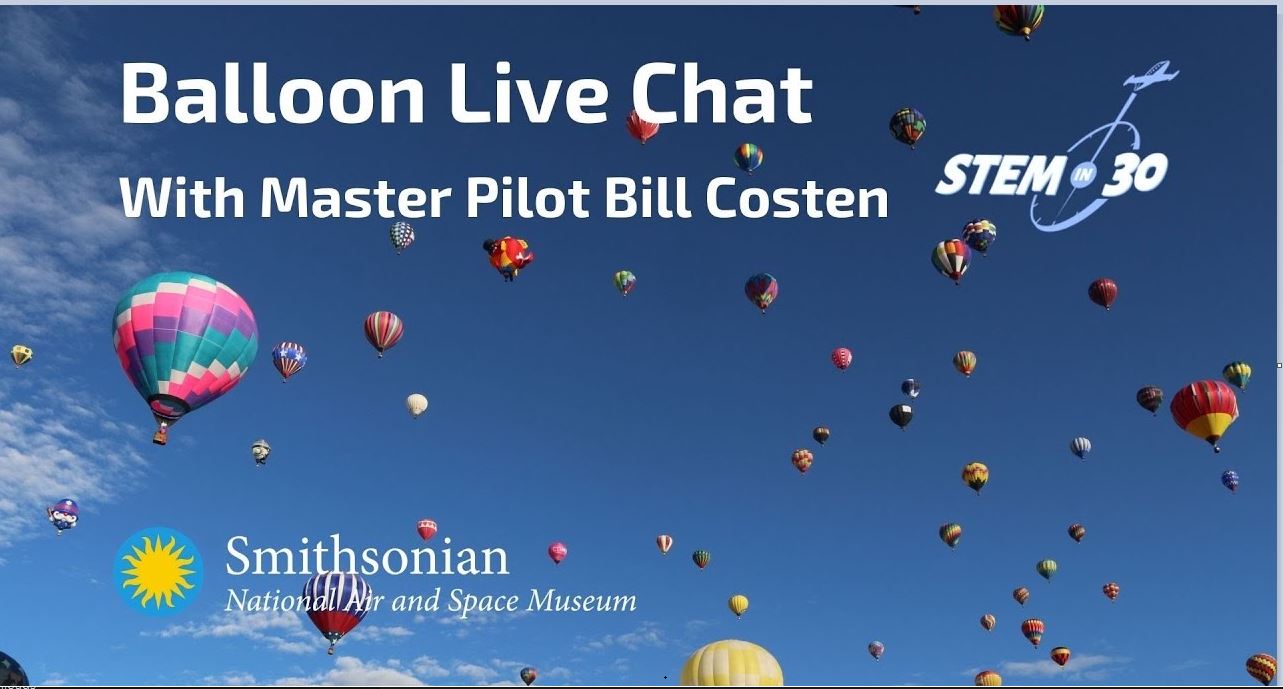
Bill Costen: On October 8, 2020, Martin Kelsey at the National Air and Space Museum hosted a STEM in 30 program on ballooning called “Balloon Live Chat with Master Pilot Bill Costen.”
6 – Learning From the Pioneers
Sitara Maruf: Bob Waligunda was part of your ballooning life almost from the beginning. What role did he play?
Bill Costen: Bob is the one who gave me my Raven dealership in 1975. We’ve been close friends ever since. I just talked to him yesterday. He’s probably my longest friend.
A lot of what Bob did during his Hall of Fame career was race directing and organizing, and I flew in many of his races. That’s where I got much of my experience early on—with people like Ed Yost and Joe Kittinger.
Later, I was able to conduct my own races using what Bob had done over the years as a model. That’s where I got that experience.
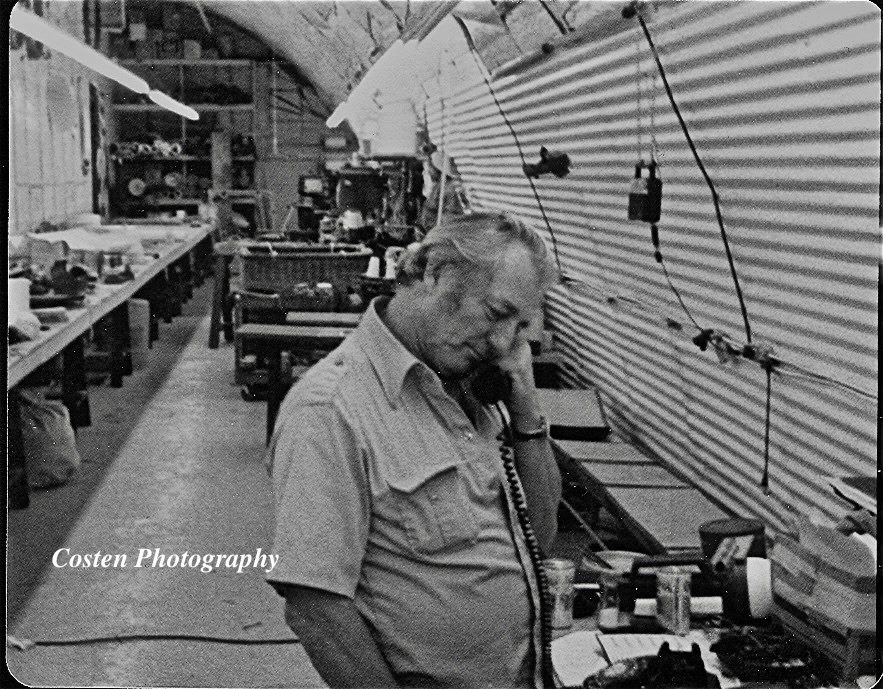
Sitara Maruf: What do you remember most about Ed Yost?
Bill Costen: I actually visited Ed in South Dakota, where Raven Industries was located at the time. Ed took Bob Waligunda and me out for a steak dinner, and I was able to see his home and his workshop.
Years later, our Connecticut Lighter Than Air Society had a safety seminar at the New England Air Museum, and I invited Ed to be the guest speaker. He came up and spoke.
The next morning, he gave me two balloon-flown flight covers from his flight across the Atlantic Ocean—one for each of my children, Jarrell and Chantal. He also gave me a load ring that I later featured in the history-of-ballooning portion of my Costen Cultural Exhibit.
Many times Ed and I would sit in a lounge at different races, and I was just like a little kid listening to all his stories. That’s what blew me away.
I was listening to stories from all these famous pilots. Ed was the true inventor of this modern balloon. I was just sitting there thinking, “Wow, wow, wow.”
Of all of them, I would say Ed probably influenced me the most as a pilot.
Sitara Maruf: You also knew Joe Kittinger and Ben Abruzzo. What do you remember about them?
Bill Costen: I was first introduced to Joe Kittinger at one of the early Preakness Festival Balloon Races in Baltimore, Maryland.
I got to know Joe well at the pilots’ dinner at Rosie O’Grady’s for the Great Bay Hill Citrus Classic Balloon Race, part of the promotion for the inaugural Arnold Palmer Invitational in 1979.
I competed with Joe in several balloon races as members of Bob Waligunda’s International Professional Balloon Pilots Racing Association. I remember Joe telling me about his record-setting free-fall jump from 102,800 feet on August 16, 1960. At one of the Philadelphia races, he told me about his solo balloon flight across the Atlantic Ocean in 1984.
Years later, my daughter Chantal Potter interviewed Joe in Arlington, Virginia, for her documentary film Balloon Man.
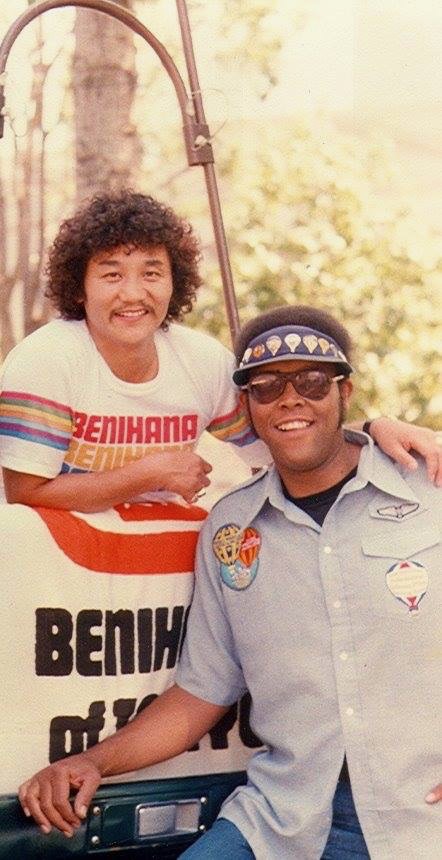
I met Ben Abruzzo at an event Bob Waligunda held at Madison Square Garden. There were four balloons inflated inside, and Ben and I were both tethered. Ben and I became good friends after competing in various races. We even played doubles tennis together at one of the hotels and won our match.
At one time, I was contacted by a sponsor who wanted me to fly across the Atlantic. I didn’t have the experience to do that, so I asked Ben if he would be the pilot. Ben told me he was already working with Rocky Aoki on crossing the Pacific. The Atlantic sponsorship idea never materialized and eventually fell through.
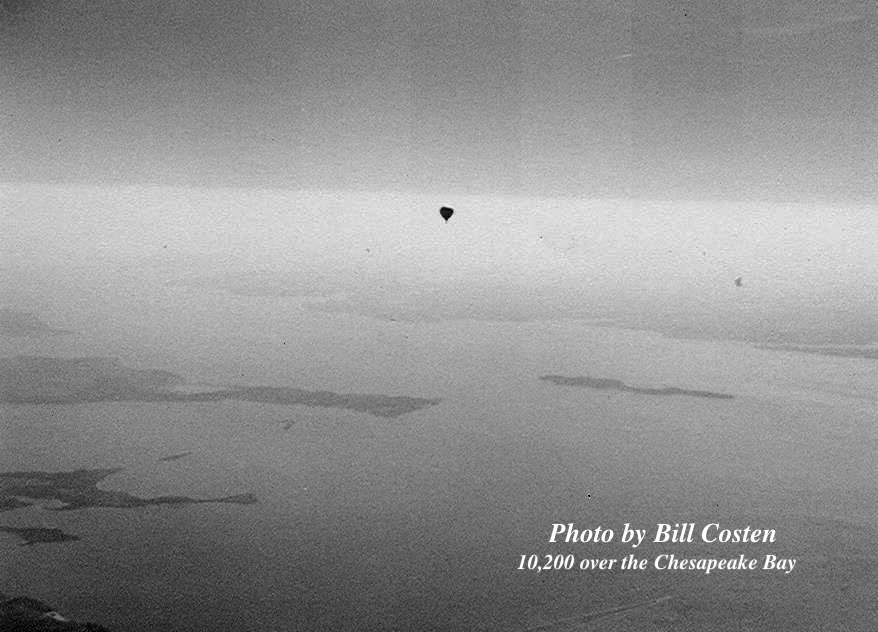
One year at the Preakness Balloon Race, Ben was the hare balloon. The winds were very slow and took us across the Chesapeake Bay. I climbed to 10,200 feet to get a faster wind. While I was up there, I imagined being over the Atlantic Ocean with all that water beneath me. Ben, of course, had already experienced an ocean crossing. The immediate thoughts that came to my mind were two of Albert Einstein’s famous quotes: “The only source of knowledge is experience,” and “The most beautiful thing we can experience is the mysterious.”
How blessed I was to learn those lessons early in my balloon career.
7 – Ballooning as a Family Affair
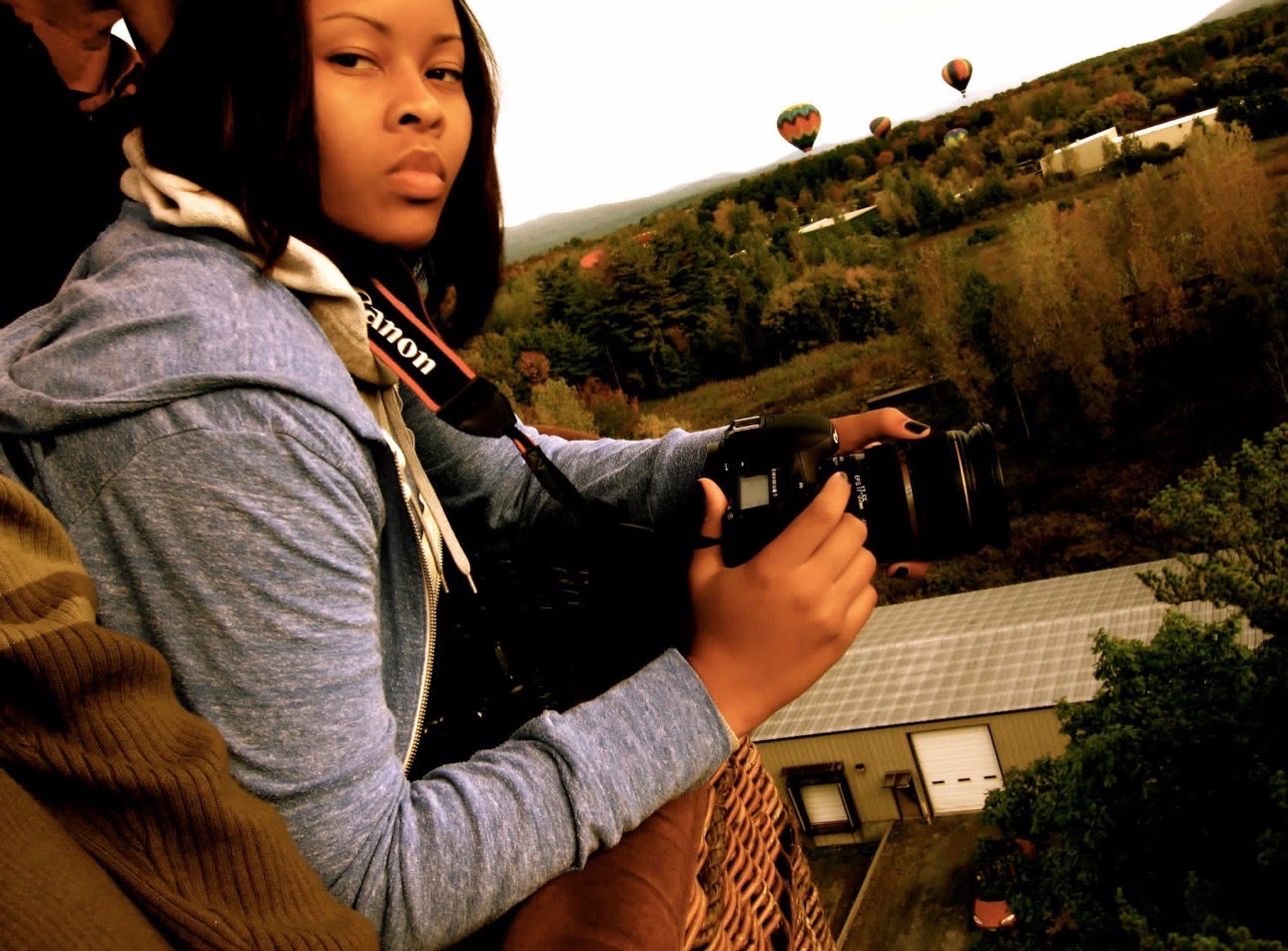
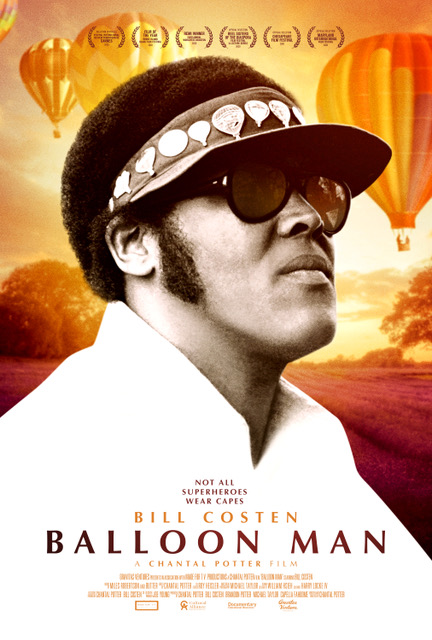
Sitara Maruf: Your family seems to have grown up with ballooning as part of everyday life.
Bill Costen: My wife, Lynda, was my crew chief at Sky Endeavors, along with our two children and balloon team, so ballooning was a family operation.
My son, Jarrell, made his first short 50-yard balloon flight when he was nine days old. He spent his whole life as part of the Sky Endeavors balloon team.
My daughter, Chantal, made her first flight when she was 11 months old. Years later, she called me one day and said, “Dad, I want to do a documentary on you.”
That became Balloon Man.
She later produced a virtual series called Beyond Balloon Man, featuring conversations about different aspects of ballooning.
8 – Looking Back
Sitara Maruf: After all those years, what part of your ballooning career are you proudest of?
Bill Costen: God blessed me with the opportunity to share the beautiful world of hot-air ballooning by giving rides to thousands of people all over the country.
###
Featured photo: Bill Costen by Bev Theodore.

6 Responses
Love this rich history, great story, great all around gentleman! Thank you so much for sharing these valuable jewels. As a self proclaimed historian it is my desire to keep Mr. Costen’s story alive, as I share it with my family, friends and mentoring groups! Long live the “Balloon Man” and his contributions to both the country, as well as the African American community. I love this King!
Bill Costen is a genuine Renaissance man. Lynda, Jarrell and Chantal’s are indeed his crew dedicated to this decades long “Endeavor.” A true Costen Family Affair🌈
What a MARVELOUS interview! Thanks a million, Ms. Maruf! This is an interview that should be shared widely. Bill Costen is a “History Maker” beyond description. His basket in The Smithsonian is testimony to his contribution to aviation in America. I absolutely LOVED the butterfly anecdote, prompted by his son.You could say that one of God’s creations. — a little butterfly — saved the lives of Costen, his son and lovely daughter and his passengers. Costen is “Simply the Best!” Too cool for words.
Bill Costen, a man of God, a friend, indeed, one of the most unique and awesome men I have ever met, who is topnotch in all he does, from ballooning, exhibiting, photographing…ahhh such beauty of God’s creation Bill has captured..to God be the glory for having created such a wonderful human being and giving him so many talents which he has expanded and not waisted.
Such a wonderful sharing of his life as a “Balloon Man”!
God bless you, my friend!👍🏽🙏🙏❤️
Bill,
I thank you for inviting me to join my wife on a balloon flight, which was purchased by me as a birthday gift for her. It was her dream to take a balloon ride. Our deal was that only one of us could fly at a time; that way, if the balloon went down, someone would be around to take care of the children. Bill explained to me that he had flown the balloon for many years and that the risk was minimal. He convinced me to come along, and I was glad to ride along. It was one of my most memorable experiences. I have flown most recently taken a balloon ride in Luxor, Egypt, and it did not compare to the ride with Bill.
Thank you all for your kind words and appreciation. I’m so glad you enjoyed Bill Costen’s story!