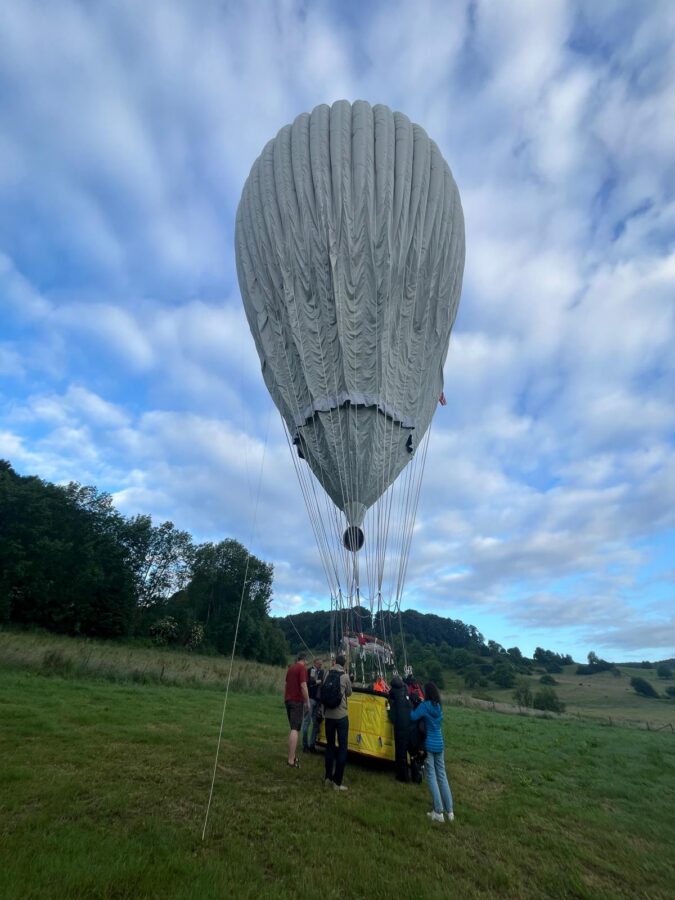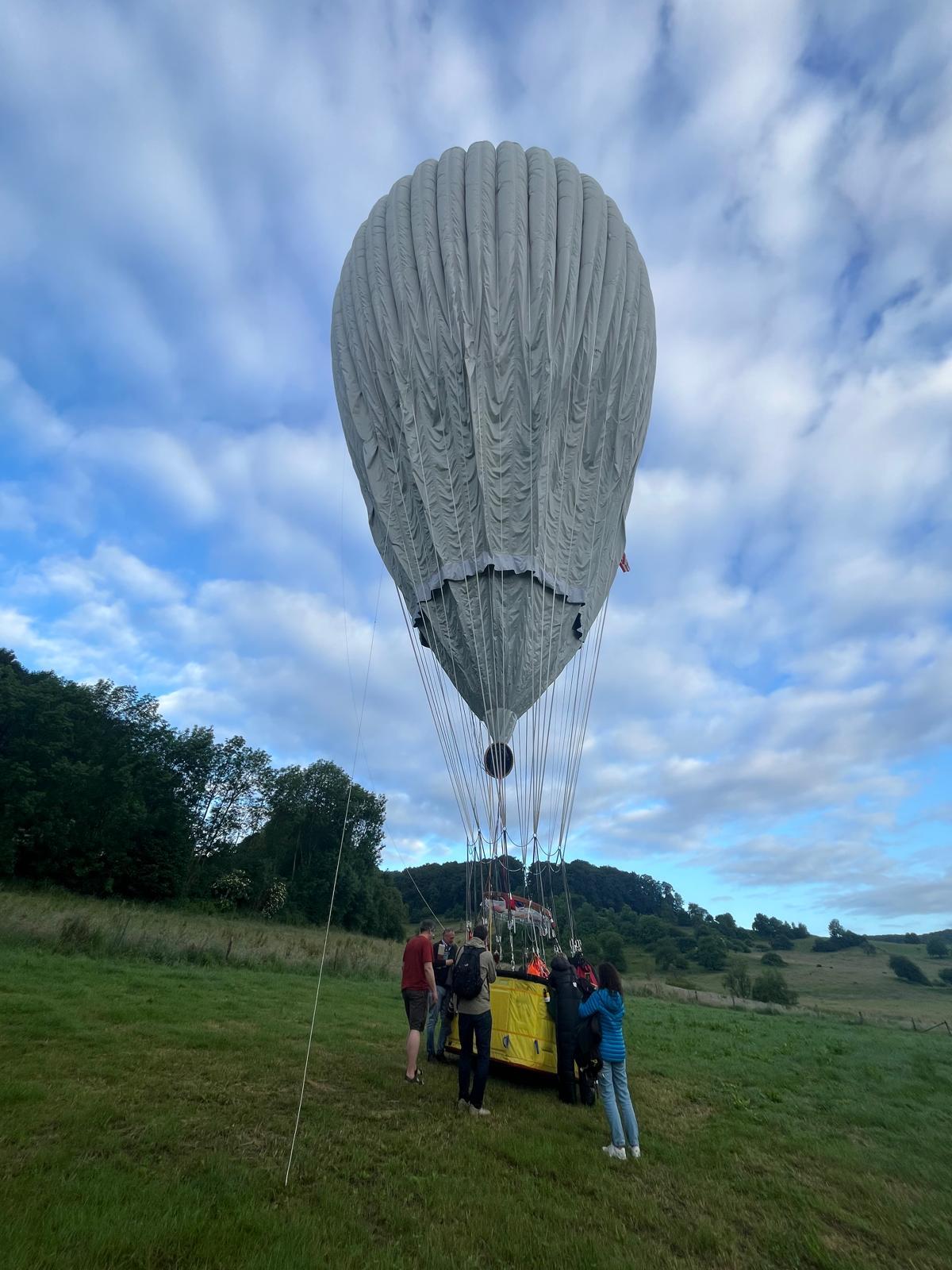
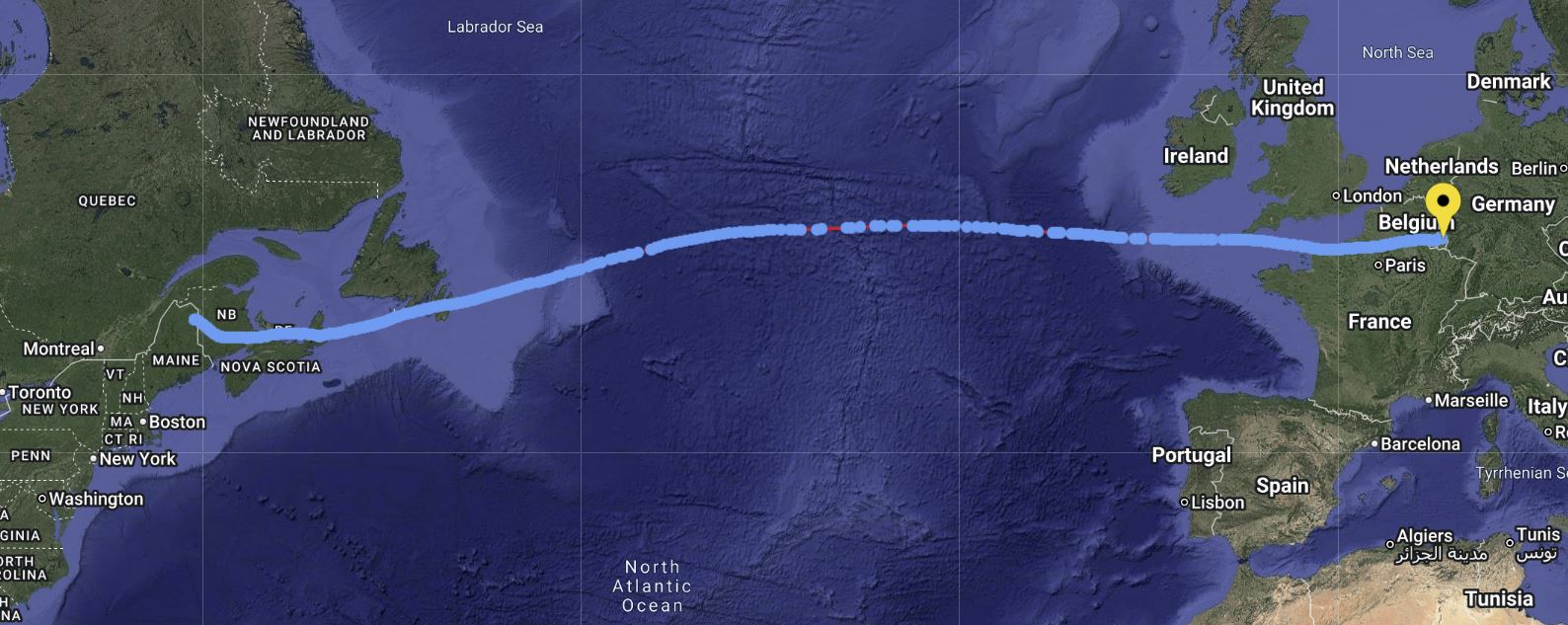
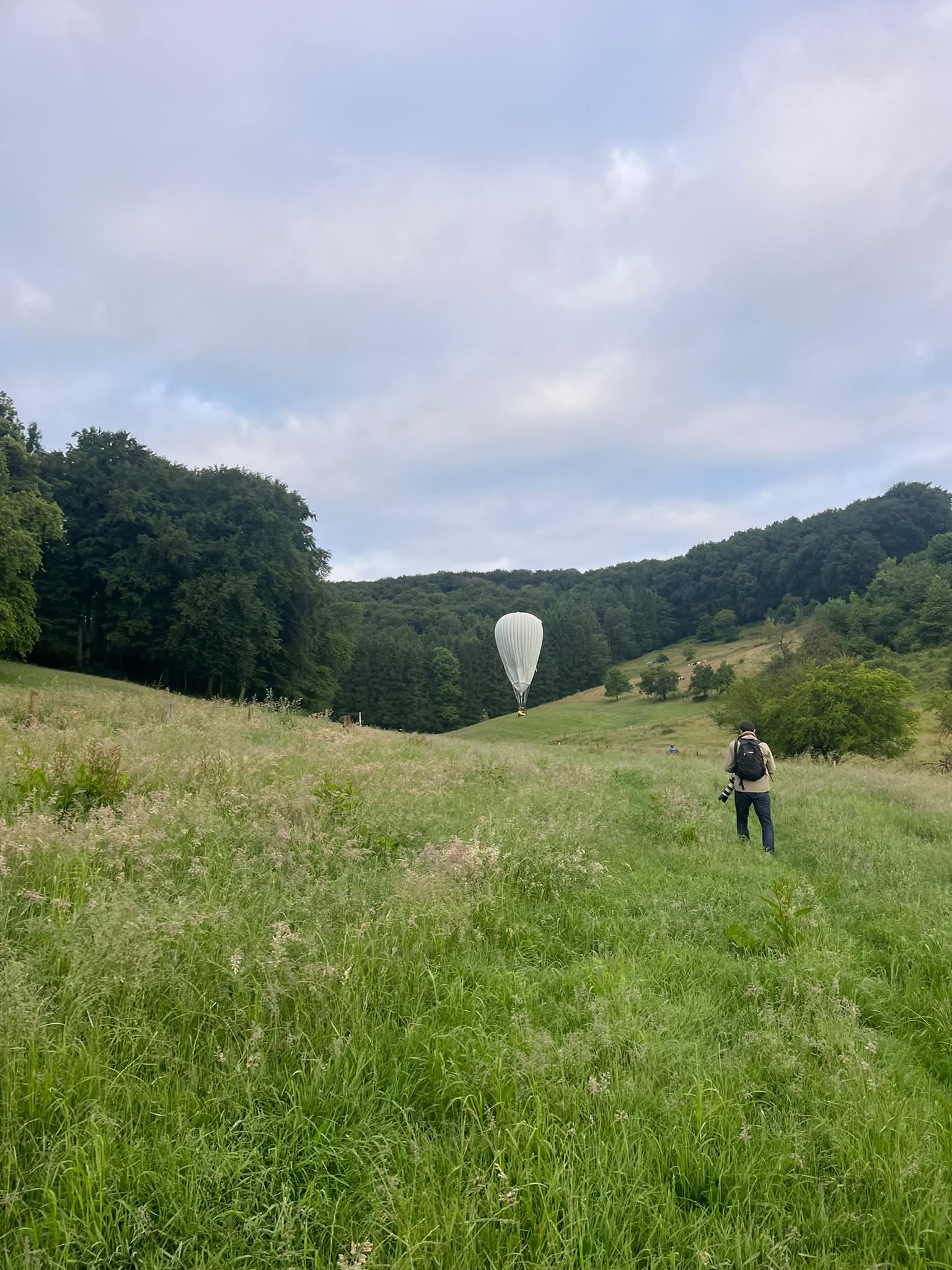
The Atlantic Explorer hydrogen balloon touched down safely at 5:58 a.m. UTC (1:58 a.m. EDT) on June 7, 2026, near the Luxembourg towns of Diekirch and Bettendorf and the village of Tandel, bringing a historic transatlantic journey to a successful conclusion.
For nearly three days, pilots Bert Padelt and Peter Cuneo of the United States and Alicia Hempleman-Adams of Britain drifted eastward across the North Atlantic beneath a hydrogen balloon, carried by powerful winds, exposed to cold temperatures, and separated from Europe by thousands of miles of open ocean.
Atlantic Explorer launched from Presque Isle, Maine, at 6:08 a.m. UTC (2:08 a.m. EDT) on June 4, 2026, beginning a journey that would carry the crew across the Atlantic and into the record books.
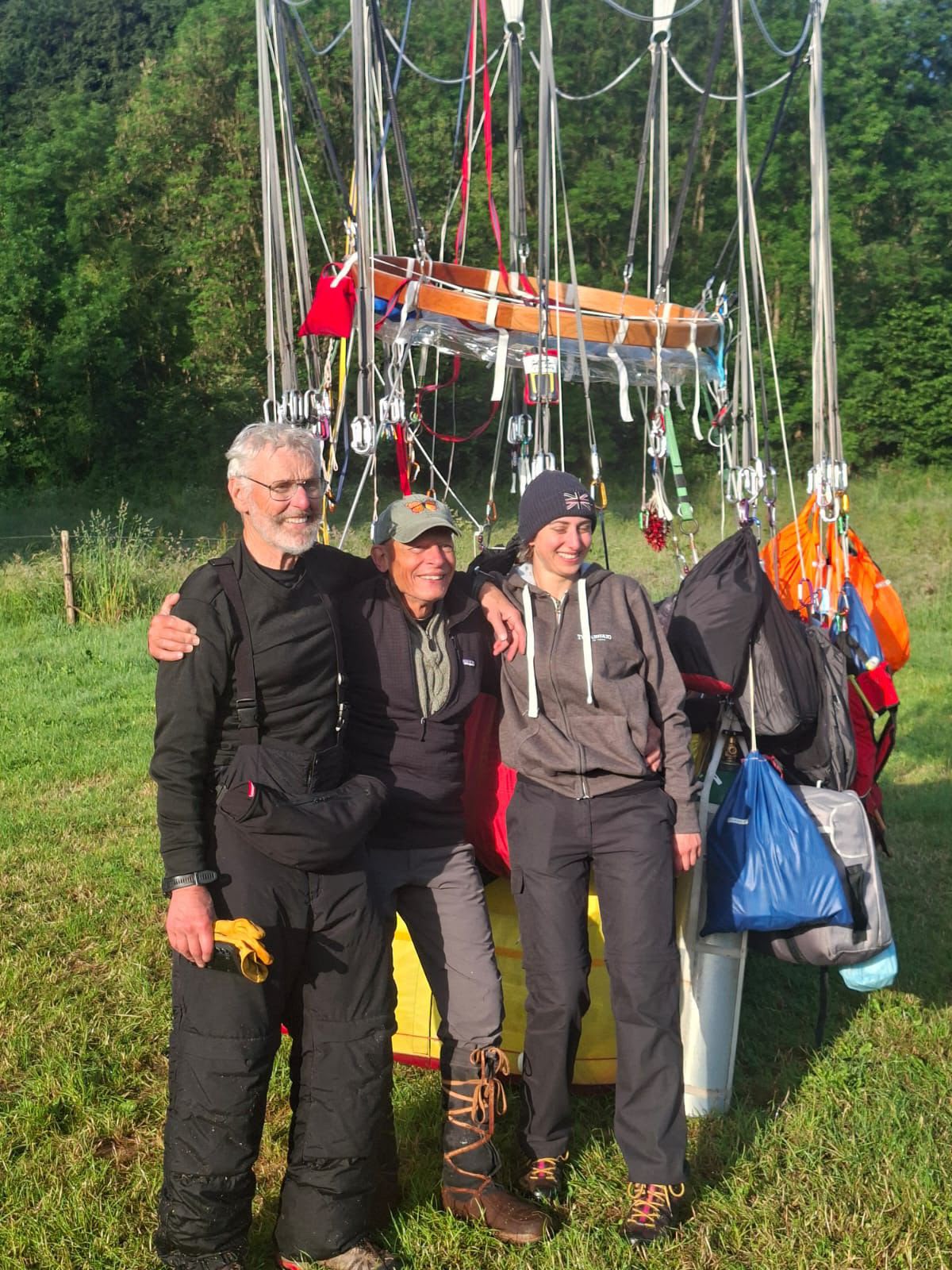
When the flight ended, the crew had traveled approximately 2,852 miles (5,282 km) in 70 hours and 11 minutes. Tired but in good spirits, they said they were looking forward to showers and getting some sleep in a real bed.
The achievement marks the first successful North Atlantic gas balloon crossing in nearly 20 years and the first transoceanic balloon flight in history using hydrogen as the sole source of lift.
Across the North Atlantic
The crossing was incredibly challenging at times.
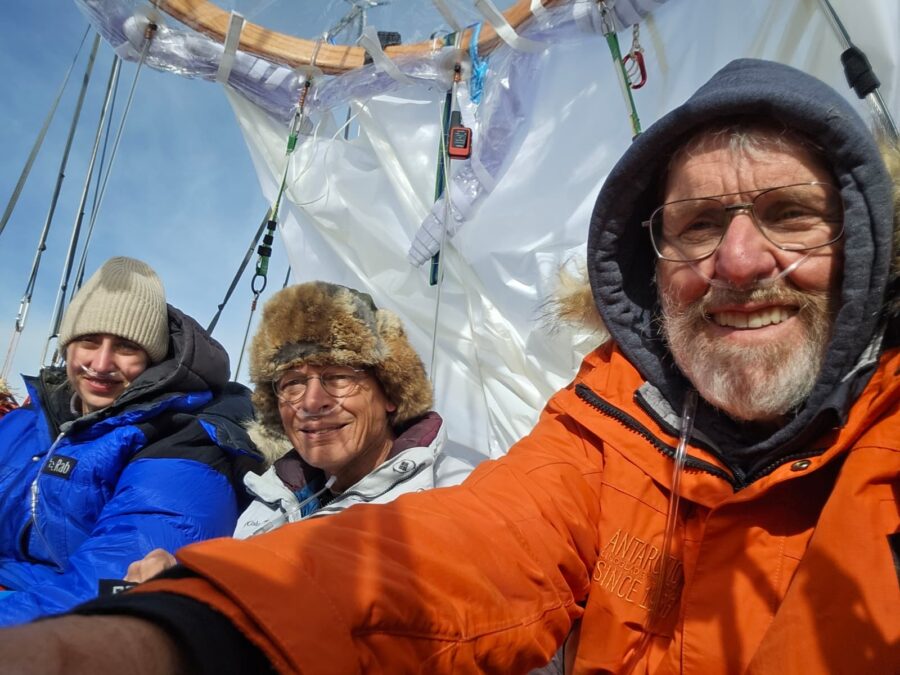
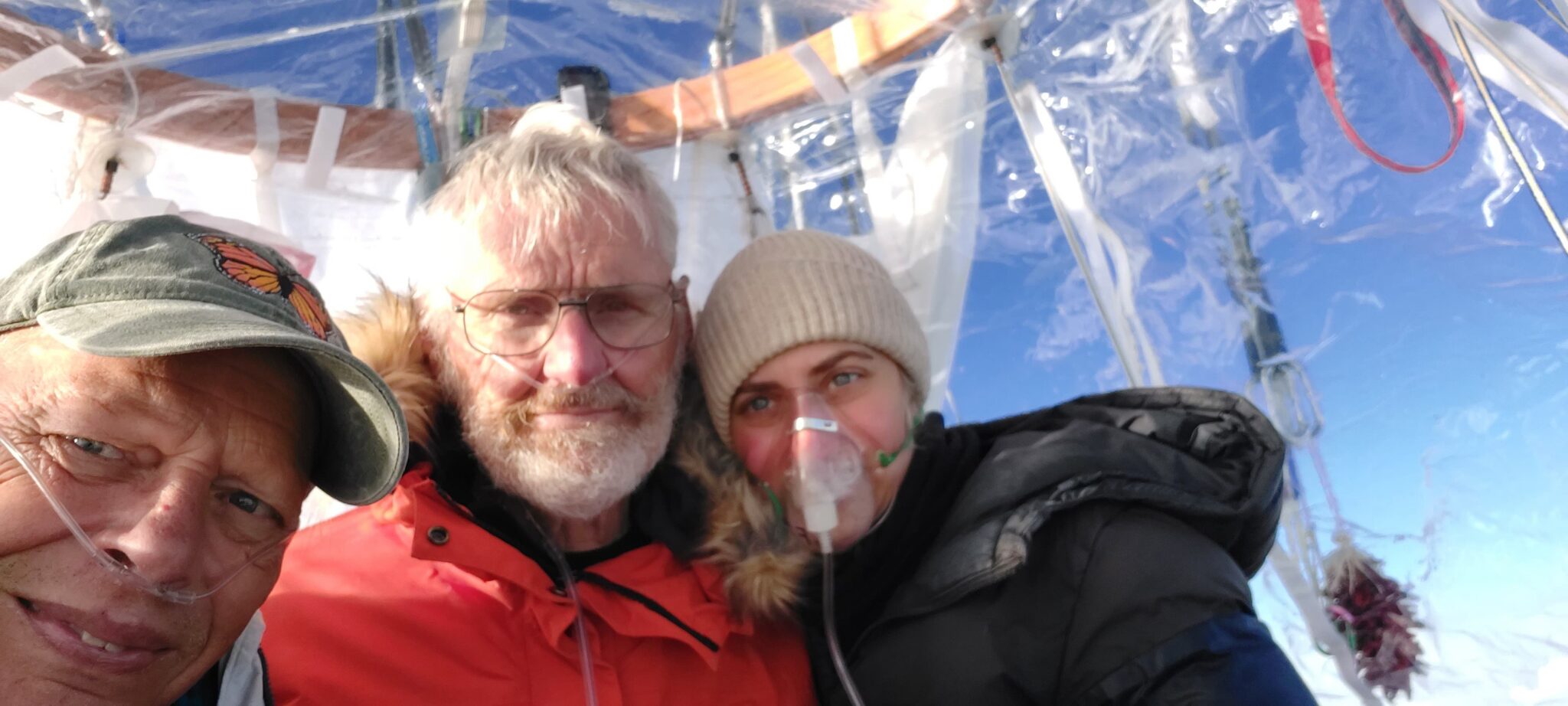
Strong winds carried the balloon across the ocean at times exceeding 90 mph (145 km/h). During the flight, the crew battled torrential rain, overnight snow, freezing temperatures as low as -17°F (-27°C) in the basket, and altitudes reaching 25,000 feet (7,620 m). According to press officer Kim Vesely, the pilots flew in an open basket about the size of a small closet, protected only by a small plastic rain cover that offered scant shelter from the elements.
The harsh conditions affected both the crew and the balloon. Vesely reported that rain and snow caused ice to accumulate on the balloon, affecting its performance. At one point, the crew even experienced St. Elmo’s Fire in the basket—a glowing electrical discharge caused by a highly charged atmosphere. To climb above the weather, the crew flew at altitudes of up to 25,000 feet and remained on supplemental oxygen for much of the journey.
Throughout much of the flight, Flight Control reported the balloon cruising between 54 and 73 knots, typically at altitudes ranging from 18,000 to more than 20,000 feet. One update noted that sunshine and supplemental oxygen provided welcome relief after long hours in the harsh North Atlantic environment.
Behind the scenes, pilots, meteorologists, and Flight Control specialists worked together continuously to monitor weather systems and identify the safest route and landing options.


As Atlantic Explorer neared the end of its journey, the balloon crossed into France at 1835 UTC on June 6 just north of Siouville-Hague on the Cherbourg Peninsula, according to press officer Kim Vesely. The balloon later passed back over open water, paralleling the French coast along the beaches of Normandy.
Although Europe was now within reach, the flight was not yet over. Vesely reported that the pilots continued a gradual descent as the balloon cooled naturally toward evening. With relatively strong surface winds forecast, the crew considered remaining aloft through the night and landing the following morning in calmer conditions.
As the balloon approached Europe, Flight Control described the final descent and landing planning as the mission’s “most critical and delicate phase.”
Speaking to The Telegraph, Hempleman-Adams described the crossing as both challenging and rewarding. “I’m incredibly proud that we completed the crossing,” she said. “There were times when we thought we might not make it.”
She said flying through rain caused ice to build up on the balloon, creating difficult conditions and adding “real jeopardy” to the flight.
“It was an extraordinary team effort to keep going and bring the balloon safely across the Atlantic,” she said.
“I feel very fortunate to have had the opportunity to learn so much from two world-class pilots.”
Historic Milestones
The flight achieved several notable milestones:
• The first transoceanic crossing in a gas balloon using hydrogen as the sole source of lift.
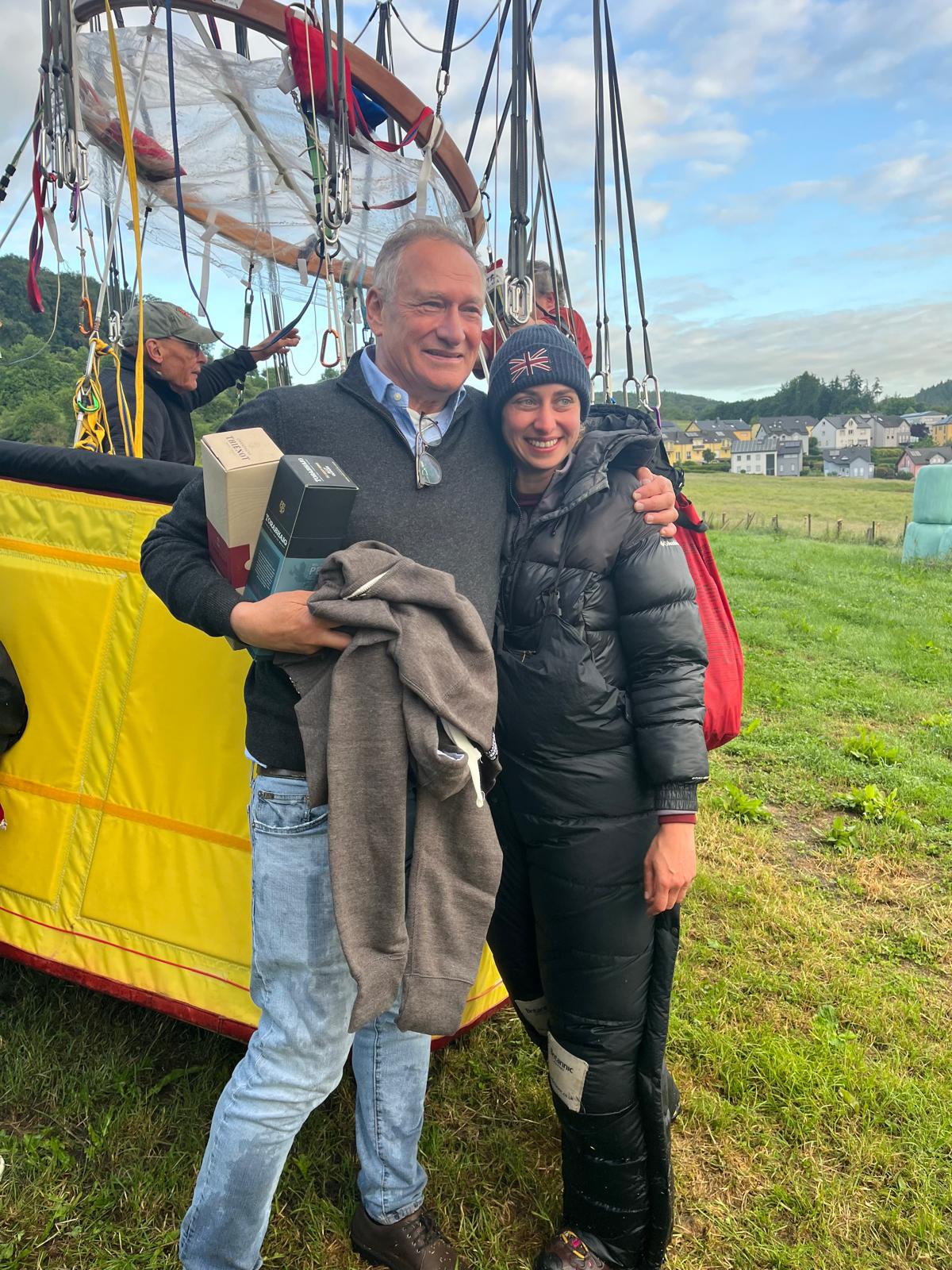
• Alicia Hempleman-Adams became the first woman to complete a transoceanic crossing in a gas balloon and only the second woman to accomplish the feat in any type of crewed balloon.
• Alicia Hempleman-Adams and her father, Sir David Hempleman-Adams, became the first father-daughter pair to cross the Atlantic by balloon.
• Subject to ratification, the flight is expected to establish at least one world record for a gas balloon in its class (AA-09).
A Lifelong Dream
For project leader Bert Padelt, the successful crossing represented the realization of a dream that began in his early teens.
Inspired by the first successful crossing of the Atlantic Ocean by balloonists Ben Abruzzo, Maxie Anderson, and Larry Newman aboard the Double Eagle II in 1978, Padelt envisioned making the journey himself and spent years working to turn that ambition into reality.
As Atlantic Explorer crossed into France, Padelt sent a message to his support team:
“Thank you to all of my team! You were all selected for a reason. I cannot describe the emotions I am experiencing. I hope you are all proud of making this happen for me.”

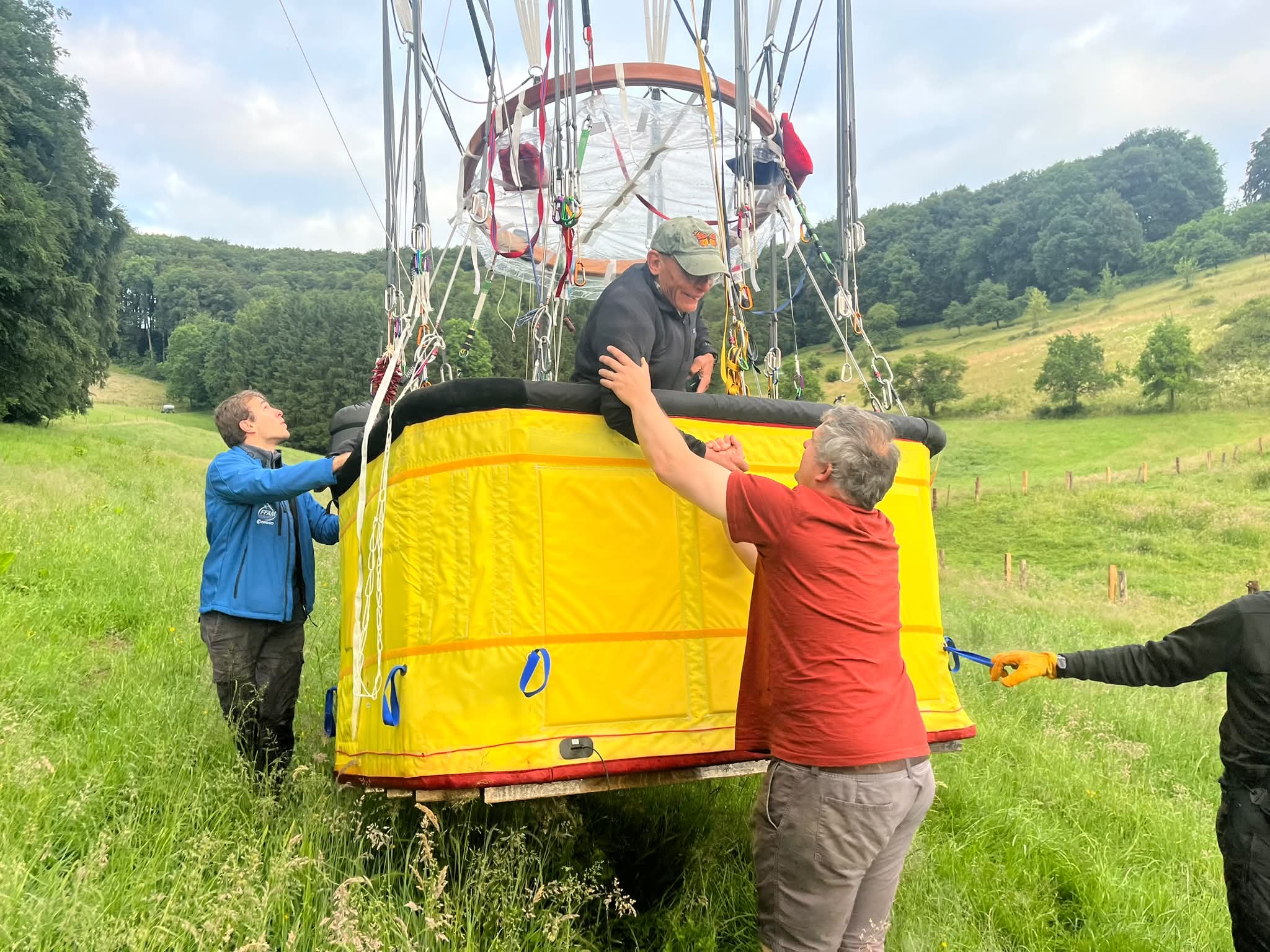
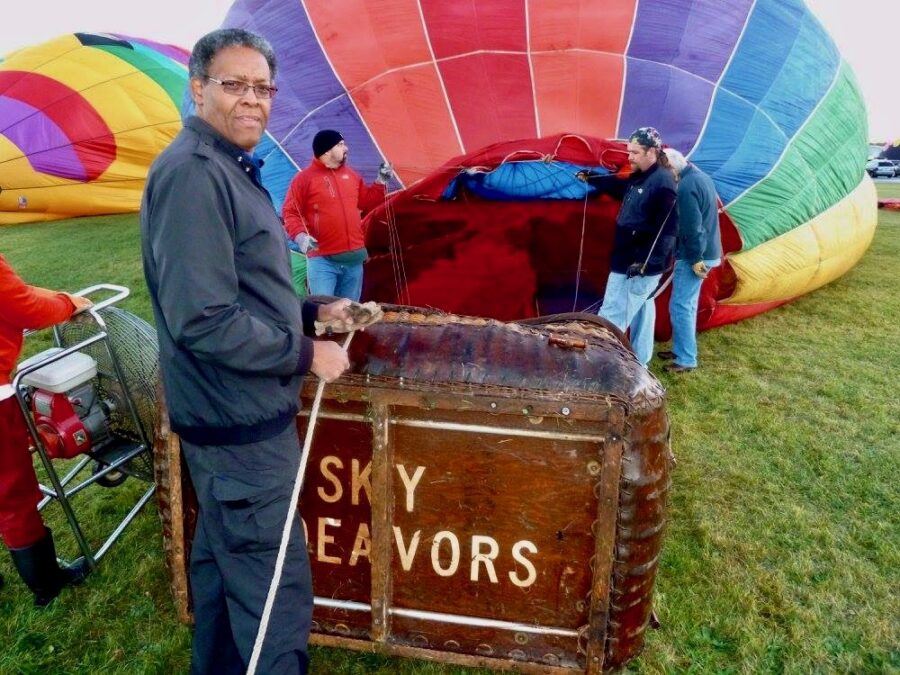
Project leader Bert Padelt (left) and the Atlantic Explorer basket following the successful transatlantic crossing. Bert (inside the basket) was greeted and congratulated by balloon manufacturer Petr Kubicek of the Czech Republic, who came to help with the retrieval. Photos by Christophe Houver
Following the landing, he thanked the many people who helped make the expedition possible, including the residents of Presque Isle, Maine, where Atlantic Explorer launched on June 4.
He offered special thanks to local landowner Paul Cyr, whose hospitality and support through two previous attempts and more than four years of planning helped make the project possible.
Padelt also recognized the launch and recovery crews, meteorologists, air traffic specialists, and Flight Control personnel whose expertise helped guide the balloon safely across the Atlantic.
Meet the Pilots of Atlantic Explorer
Bert Padelt
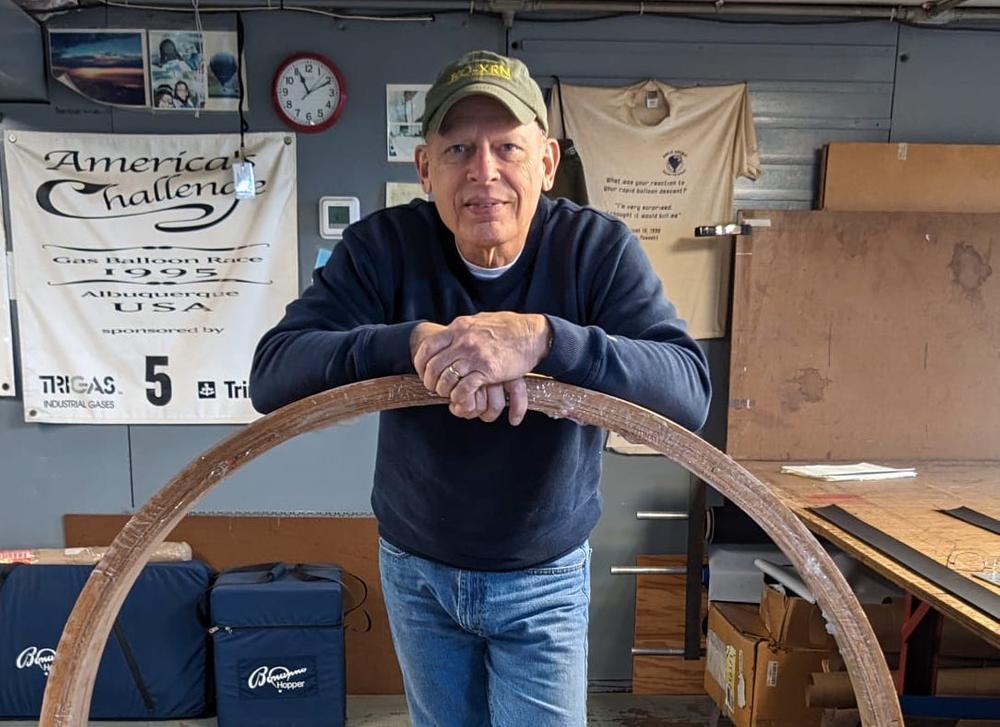
Bert Padelt of Bally, Pennsylvania, is widely regarded as one of the world’s leading aeronauts and balloon builders. Inspired by the historic Double Eagle II Atlantic crossing in 1978, he spent decades pursuing his own transatlantic balloon dream. Together with his wife, Joanie, Padelt designed and built the Atlantic Explorer balloon and gondola.
Over the course of his career, Padelt has helped shape some of ballooning’s most significant achievements. He built the balloon flown by Sir David Hempleman-Adams during his 2007 solo Atlantic crossing and played a key role in the record-setting Two Eagles 2015 transpacific flight, which established world distance and duration records for gas balloons. Earlier, he served as systems director for several of Steve Fossett’s around-the-world balloon projects, including Fossett’s successful solo circumnavigation of the globe in 2002.
Padelt has also been a pioneer in advancing gas ballooning technology in the United States. Working with Atlantic Explorer co-pilot Peter Cuneo, he helped develop the first American-built hydrogen-capable gas balloon system. Through his balloon manufacturing and repair company, Best Aviation, and through decades of competition, innovation, and mentorship, he has played a leading role in promoting gas ballooning in the United States and internationally. His contributions have been recognized with numerous major awards in the sport.
Peter Cuneo
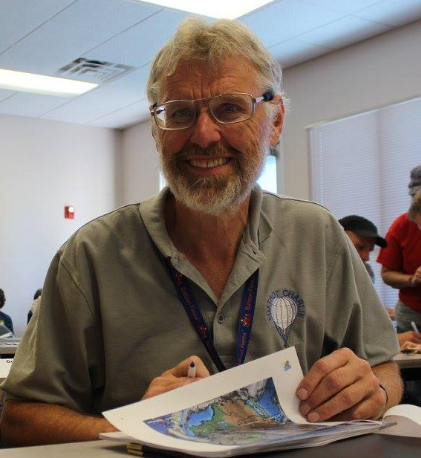
Peter Cuneo of Albuquerque, New Mexico, is a retired engineer, accomplished balloonist, and one of the leading figures in American gas ballooning. Over more than three decades, he has accumulated thousands of flight hours in gas and hot-air balloons while contributing to a wide range of scientific, technical, and record-attempt flights. He served as a technical consultant on several high-altitude projects led by the late British balloonist Julian Nott and flew with Nott on experimental and documentary flights exploring the history and science of ballooning.
Working closely with Bert Padelt, Cuneo helped develop the first hydrogen-capable gas balloon system built in the United States. Together with his wife and flying partner, Barbara Fricke, he has formed one of the nation’s most successful gas balloon competition teams, winning the Albuquerque International Balloon Fiesta’s America’s Challenge race four times and competing ten times in the Coupe Aéronautique Gordon Bennett, the world championship of gas balloon distance flying.
Cuneo and Fricke have completed numerous long-distance flights, including a 1,935-mile (3,122-km) flight in the 2017 America’s Challenge and a flight lasting more than 73 hours in the 2008 Gordon Bennett. An author, instructor, and advocate for the sport, Cuneo has also played a leadership role in several ballooning organizations and museums. His contributions to aeronautics and gas ballooning have earned him numerous national and international honors.
Alicia Hempleman-Adams

Alicia Hempleman-Adams of Bath, England, is an explorer, record-setting balloonist, and fashion consultant. The daughter of renowned adventurer and balloonist Sir David Hempleman-Adams, she began setting records at an early age. At age eight, she became the youngest person to reach the North Pole when she was flown there to meet her father, and at 15 she became the youngest person to ski and trek 200 miles (322 km) across Canada’s Baffin Island, enduring extreme cold, thin ice, and open water along the route.
In recent years, Hempleman-Adams has established multiple world and British records in hot-air balloons and hot-air airships, including records for altitude, distance, and duration. Her achievements earned her the World Ballooning Federation’s Montgolfier Diplome and appointment as a Member of the Order of the British Empire (MBE) in 2024 for services to hot-air ballooning.
With the Atlantic Explorer flight, Hempleman-Adams became the first woman to complete a transoceanic crossing in a gas balloon and only the second woman to accomplish the feat in any type of crewed balloon.
LTA – Science & Flight Magazine congratulates the pilots and everyone involved in this remarkable achievement. We look forward to bringing readers post-flight interviews and additional coverage in the weeks ahead.
Related Articles
- Crewed Hydrogen Balloon Pursues Historic Atlantic Crossing
- First Hydrogen Balloon Attempt to Fly Across the Atlantic
- Balloonists Aim to Cross the Atlantic in a Hydrogen Balloon
- Atlantic Balloon Flight Postponed to Summer
- Bert Padelt Talks About His Atlantic Explorer Balloon
- Aeronaut in the Spotlight: Soaring with Bert Padelt
- Winning Team Flies 867 Miles in Gas Balloon Race – Peter Cuneo
- “I Feel Humbled and Honored to Fly with Bert Padelt” – Sir David Hempleman-Adams
- Sir David Hempleman-Adams: Epic Exploits from Poles, Peaks, to Oceans and Skies
- Looking Back: The First Crossing of the Atlantic by Men in a Balloon
- Dewey Reinhard Reflects on His 1977 Balloon Flight Across the Atlantic Ocean