In the early years of the twentieth century, physicists across Europe noticed something puzzling. Their sensitive instruments — electroscopes designed to detect ionizing radiation — kept registering a faint but persistent background signal, a steady level of radiation that never completely disappeared.
The explanation seemed straightforward. Earth’s crust contains naturally radioactive minerals, including uranium, thorium, and radium. These elements constantly emit radiation, so scientists expected the signal to weaken with altitude as one moved farther from the ground.
It was a reasonable hypothesis. It was also wrong.
Early Balloon Experiments
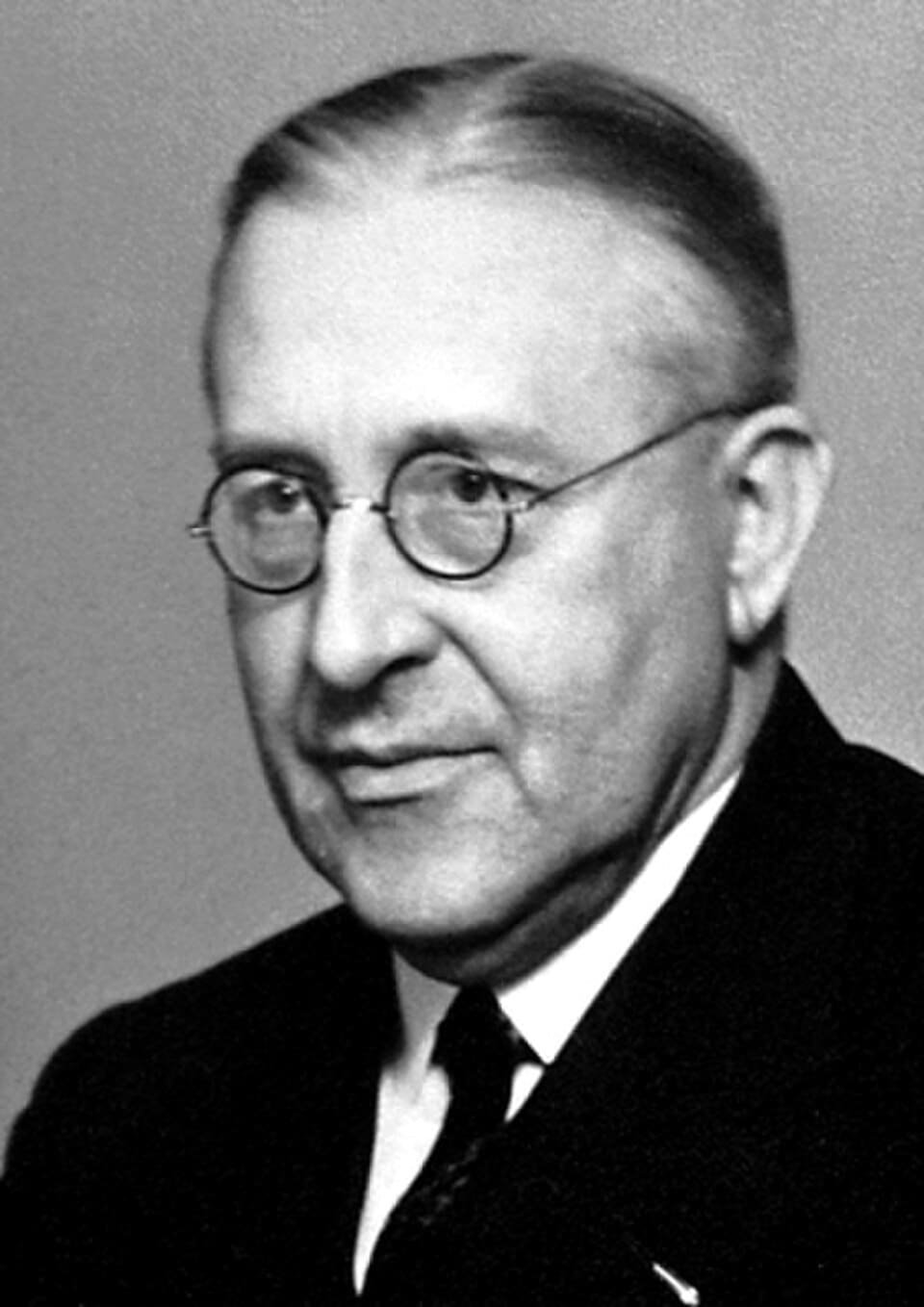
Long before the mystery was resolved, several physicists had already begun carrying instruments into the atmosphere by balloon.
In Germany, physicist Karl Bergwitz conducted balloon flights in 1908 and 1909 to measure radiation at altitude. Reaching approximately 1,300 meters, he observed something unexpected: radiation levels decreased at first but then began to rise again. The result conflicted with accepted theory. Doubting the reliability of his instruments and discouraged by colleagues, Bergwitz hesitated to pursue the conclusion further.
Around the same time, Swiss physicist Albert Gockel of the University of Fribourg carried out a series of higher balloon ascents, reaching nearly 4,500 meters. His measurements showed that ionization did not decrease with altitude in the way scientists expected if the radiation originated entirely from the Earth. Gockel and physicist Theodor Wulf were among the first researchers to use the term “cosmic radiation,” though the true source remained uncertain.
Gockel’s work was limited by practical difficulties. Hydrogen, essential for high-altitude balloon ascents, was not always available to him, preventing even higher flights.
The question remained unresolved.
Victor Franz Hess was thirty years old in 1911, a quiet and methodical Austrian physicist at the Institute for Radium Research in Vienna. Hess followed the earlier balloon experiments closely, including the work of Bergwitz and Gockel. But he believed the problem could only be settled through a carefully controlled series of high-altitude measurements using more reliable instruments.
There were no aircraft capable of reaching the heights he needed. One practical option remained: the gas balloon.
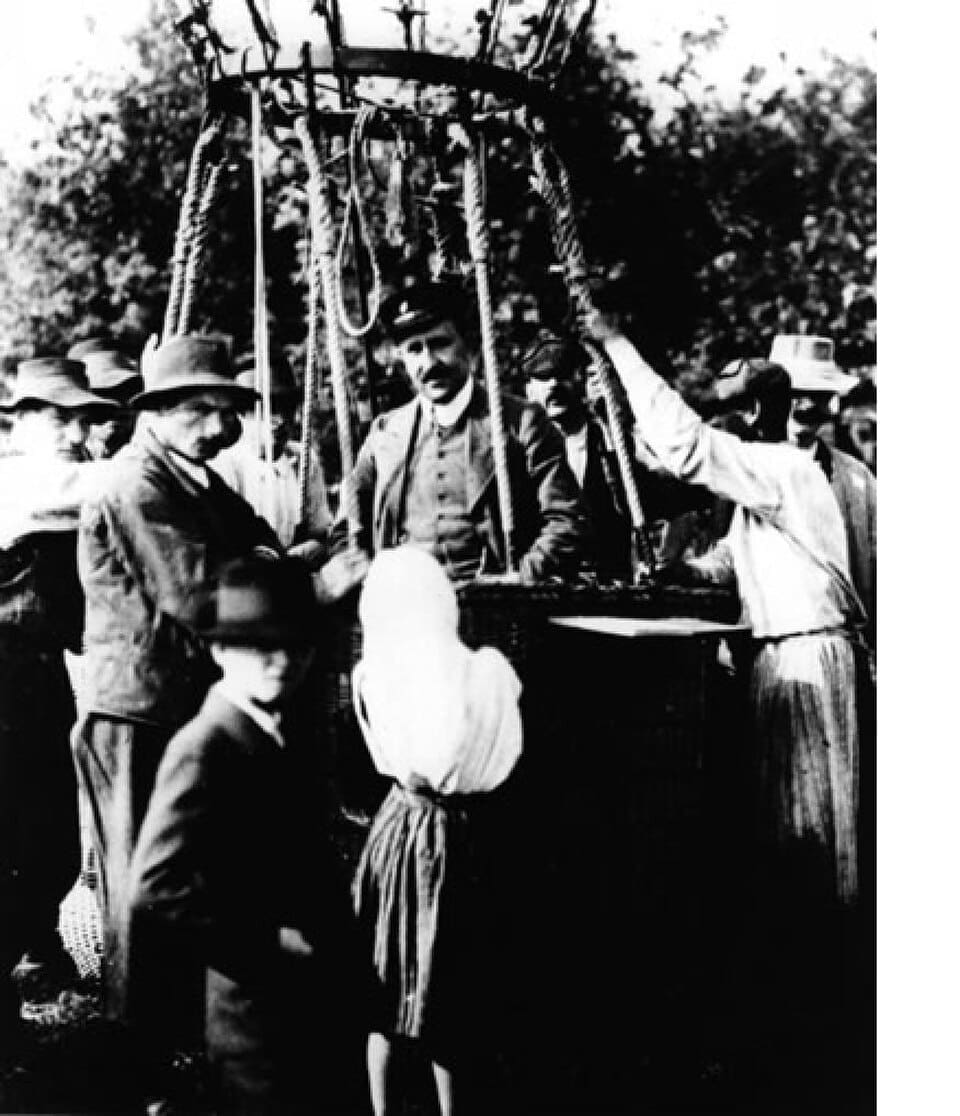
Between 1911 and 1912, Hess carried out seven carefully planned balloon ascents, each more precisely instrumented than the last. He brought specially designed hermetically sealed electroscopes, built to remain accurate as atmospheric pressure dropped and sensitive enough to detect even small changes in ionization.
Suspended in an open basket thousands of feet above the Austrian countryside, Hess was conducting one of the most important atmospheric experiments of the early twentieth century.
The Numbers Start to Climb
On the lower-altitude flights, the results initially appeared to confirm the prevailing theory. As the balloon climbed, ionization readings dropped slightly, just as scientists expected.
But at around 1,000 meters, the pattern changed. The readings stopped falling. They stabilized. Then, unexpectedly, they began to rise.
The decisive ascent came on August 7, 1912. Hess reached an altitude of 5,300 meters — about 17,500 feet. His instruments recorded ionization levels nearly three times higher than those measured at sea level.
Whatever was producing the radiation was not coming primarily from the Earth below. It was arriving from above.
Courtesy of Wikimedia Commons
Ruling Out the Sun
One obvious explanation remained: the Sun.
On April 17, 1912, Hess made another ascent during a near-total solar eclipse. If the radiation originated directly from the Sun, the readings should have decreased as sunlight was blocked. They did not.
The source had to lie far beyond Earth itself. Hess described it as “radiation from above.” Other physicists, including Gockel and Wulf, had already begun using the term “cosmic radiation,” though the nature of the phenomenon was still uncertain.
Hess had provided the clearest evidence yet that the Earth was being struck by energetic radiation from space.
A Discovery That Changed Physics
Hess published his findings in 1912 to a cautious scientific community. Further confirmation came in the 1920s, when American physicist Robert Millikan independently verified the discovery and popularized the term “cosmic rays.”
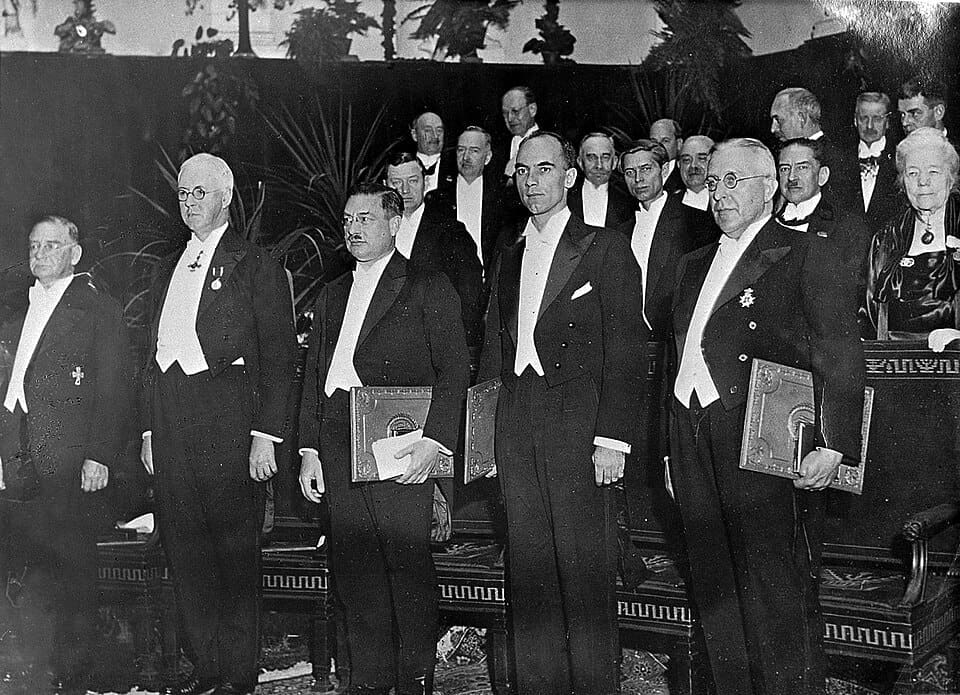
In 1936, Victor Hess received the Nobel Prize in Physics, twenty-four years after the balloon flights that transformed the field. He shared the award with physicist Carl David Anderson, who had discovered the positron.
The consequences of Hess’s discovery extended far beyond atmospheric science. Research into cosmic rays led physicists toward the discovery of new subatomic particles and helped lay the foundations of modern high-energy physics — from particle accelerators such as CERN’s Large Hadron Collider to neutrino observatories deep beneath Antarctic ice.
Much of modern particle physics can trace part of its origins to a series of balloon ascents carried out over Europe in the years before the First World War — and especially to Victor Hess, a physicist willing to trust what his instruments revealed, even when the results contradicted accepted assumptions.
What Are Cosmic Rays?
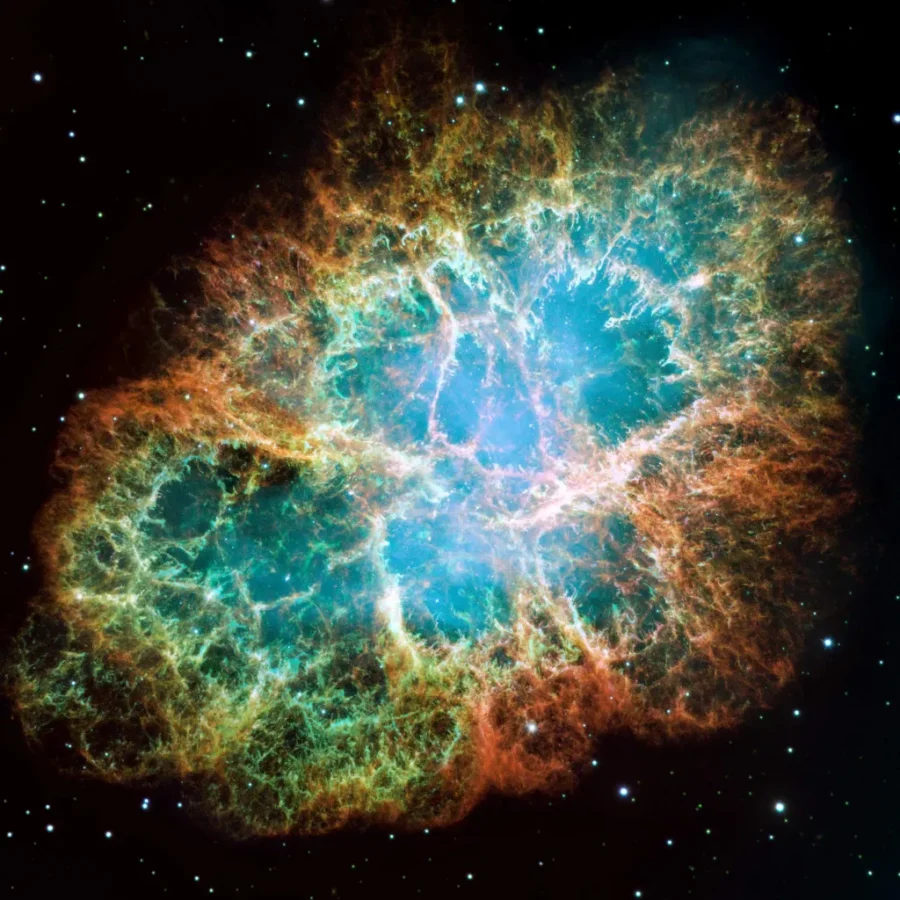
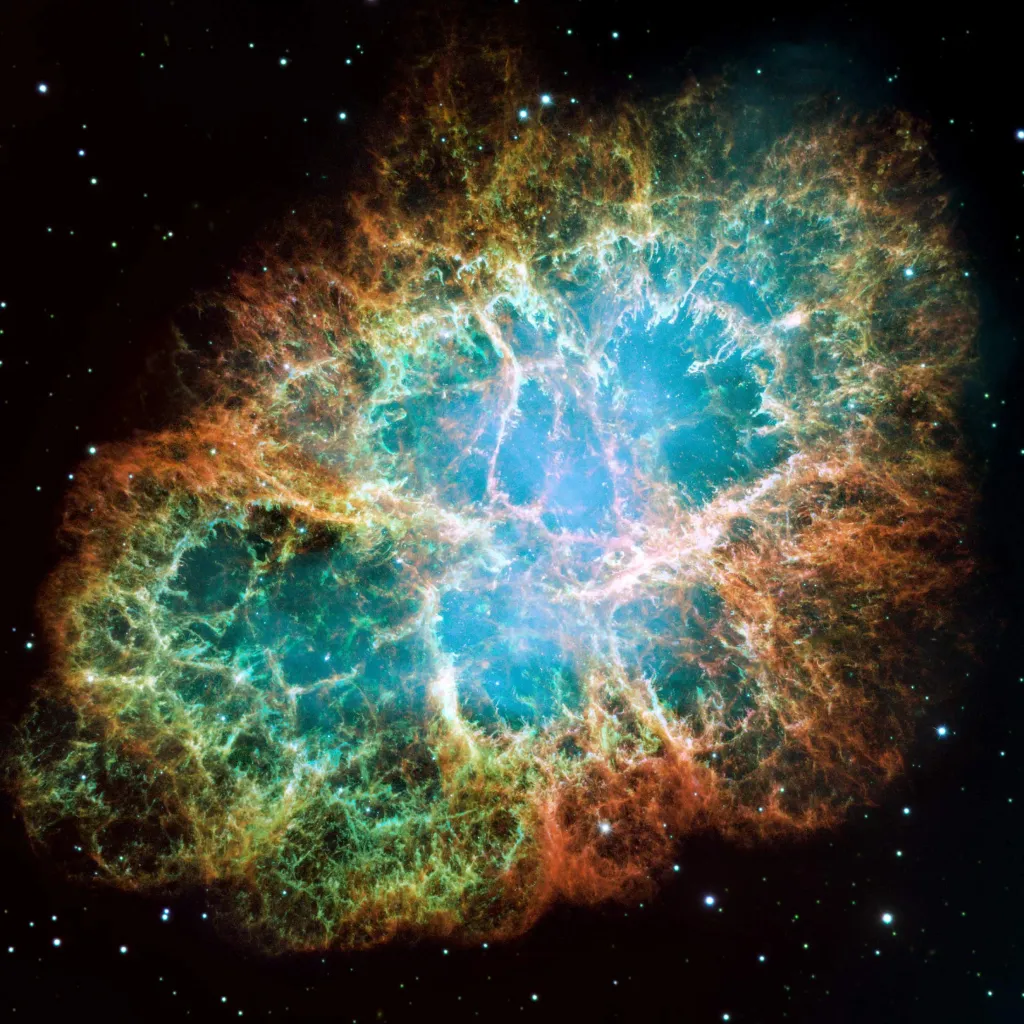
Despite the name, cosmic rays are not rays in the conventional sense. They are high-energy charged particles — mostly protons — accelerated to extraordinary speeds by supernova explosions, black holes, and other violent events in the universe. Some travel across immense interstellar distances before striking Earth’s upper atmosphere.
When one of these particles collides with molecules in the atmosphere, it produces a cascade of secondary particles that continues downward toward the surface. Humans are constantly exposed to this secondary radiation at ground level, though in generally harmless amounts.
On a cold August morning in 1912, swaying in a wicker balloon basket high above the Earth, Victor Hess demonstrated that the sky was not empty. It carried evidence of powerful cosmic processes unfolding far beyond our planet.
Victor Hess died in 1964 in Mount Vernon, New York, having witnessed cosmic ray research develop into one of the most important fields in modern physics.
***